
Teeth Grinding : Waking up with jaw pain or a dull ache near your ears can make the start of the day uncomfortable. You may notice tightness around your temples, a headache before breakfast or unusual sensitivity in your teeth. Sometimes, your partner may even complain about hearing a grinding or clenching sound while you sleep.
These symptoms may indicate teeth grinding, a condition medically known as bruxism. It occurs when a person clenches their jaw or grinds their teeth, often without realising it. Bruxism can happen during sleep or while someone is awake, particularly during periods of concentration or stress.
Occasional teeth grinding may not cause serious problems. However, repeated or intense grinding can gradually wear down tooth enamel, damage teeth and strain the muscles around the jaw.
Recognising the early warning signs can help you seek appropriate dental care before the problem becomes more serious.
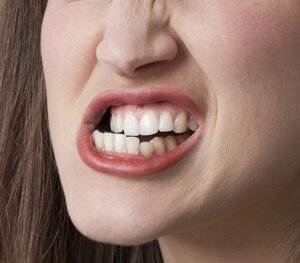
What Is Teeth Grinding (Bruxism)?
Teeth grinding is the repeated clenching of the jaw or rubbing of the upper and lower teeth against each other. Sleep bruxism occurs while a person is asleep, whereas awake bruxism often involves unconsciously clenching the teeth during the day.
Stress and anxiety can contribute to bruxism, but they are not the only possible causes. Sleep-related conditions, certain medications, lifestyle factors and other individual circumstances may also play a role.
According to the Mayo Clinic, bruxism can lead to headaches, jaw discomfort, damaged teeth and other complications when it occurs frequently or with significant force.
5 Warning Signs of Teeth Grinding You Should Not Ignore
1. Jaw Pain and Headaches After Waking Up
One of the most common signs of nighttime teeth grinding is waking up with tight or tired jaw muscles.
You may experience discomfort around your temples, a dull headache or soreness when opening your mouth. These symptoms can occur because the jaw muscles remain under repeated pressure during sleep.
If you regularly wake up with jaw pain or headaches, consider discussing the symptoms with a dentist, especially if they occur alongside other signs of bruxism.
2. Teeth Becoming Flat, Worn or Chipped
Healthy teeth have natural shapes and contours. Persistent grinding can gradually wear down these surfaces, making the edges appear flatter than usual.
Other warning signs may include chipped teeth, cracks, damaged dental restorations or teeth that feel different when you bite.
Tooth enamel protects the inner layers of your teeth. Once enamel is lost, it does not naturally grow back. A dentist can assess whether the damage is consistent with grinding and recommend suitable treatment.
3. Sudden Sensitivity to Hot and Cold Foods
Do you feel a sharp sensation in your teeth when drinking cold water or taking a sip of hot tea?
Tooth sensitivity can develop when enamel becomes worn or when other dental problems expose sensitive parts of the tooth. Teeth grinding is one possible contributing factor, although cavities, gum recession and cracks can also cause similar symptoms.
If sensitivity persists or becomes severe, a dental examination can help identify the underlying cause.
4. Ear Pain Without an Obvious Ear Infection
Bruxism can place extra strain on the muscles and joints responsible for jaw movement. These structures are located close to the ears, so jaw-related pain may sometimes feel like an earache.
You may notice discomfort near the ear, pain while chewing or tenderness around the jaw joint.
However, ear pain has several possible causes. Do not assume it is due to teeth grinding without an appropriate assessment, particularly if you also experience hearing changes, fever or ear discharge.
5. Jaw Stiffness or Clicking Sounds While Opening Your Mouth
Another possible sign is difficulty opening your mouth comfortably in the morning. You may experience stiffness while yawning, chewing food or speaking.
Some people also notice clicking or popping sounds around the jaw joint. These sounds can occur with temporomandibular joint (TMJ) disorders, but clicking alone does not necessarily mean that the joint is damaged.
If your jaw locks, movement becomes restricted or pain continues, consult a dentist or another qualified healthcare professional.

What Causes Teeth Grinding at Night?
There is no single cause of bruxism. Several factors may contribute to the condition, including:
- Stress and anxiety: Emotional tension can contribute to jaw clenching, particularly during the day.
- Sleep disturbances: Sleep bruxism may occur alongside certain sleep-related problems.
- Lifestyle factors: Alcohol, tobacco and high caffeine intake may contribute to grinding in some people.
- Medications: Certain medicines can be associated with bruxism. Do not stop prescribed medication without consulting your doctor.
- Individual risk factors: Genetics and other health-related factors may also influence the likelihood of developing bruxism.
Identifying possible triggers can help a healthcare professional recommend an appropriate management plan.
How Can You Prevent Teeth Grinding?
Although not every case of bruxism can be prevented, several practical steps may help reduce jaw strain and protect your teeth.
Manage daily stress: Relaxation exercises, gentle stretching and a consistent bedtime routine may help you unwind.
Reduce caffeine and alcohol when appropriate: Consider limiting their consumption, particularly later in the day, if you notice a connection with your symptoms.
Avoid chewing on hard objects: Biting pens, chewing ice or repeatedly clenching your teeth can place additional stress on the jaw.
Pay attention to daytime clenching: When you notice your teeth pressed together, consciously relax your jaw. At rest, your teeth generally do not need to remain in contact.
Ask about a night guard: A dentist may recommend a custom-fitted mouth guard or splint to protect your teeth from further wear. Such devices may protect the teeth, but they do not necessarily eliminate the grinding itself.
When Should You See a Dentist?
Do not ignore recurring jaw pain, unexplained headaches, tooth sensitivity or visible changes to your teeth.
A dentist can examine your teeth and jaw, assess signs of wear and discuss possible contributing factors. Depending on your symptoms, further evaluation for sleep-related problems or other conditions may be appropriate.
Seek prompt professional advice if your jaw becomes locked, you cannot open your mouth normally, or you experience significant pain or a damaged tooth.
Final Thoughts
Teeth grinding can begin without obvious symptoms, especially when it happens during sleep. Over time, repeated pressure may affect your teeth, jaw muscles and overall comfort.
If you regularly wake up with a headache, jaw stiffness, ear-area discomfort or sensitive teeth, pay attention to the pattern rather than dismissing it as ordinary tiredness.
Early assessment and the right dental care can help identify the cause, protect your teeth and reduce the risk of further damage.
Health disclaimer: This article is for general information only and is not a substitute for professional dental or medical advice.